

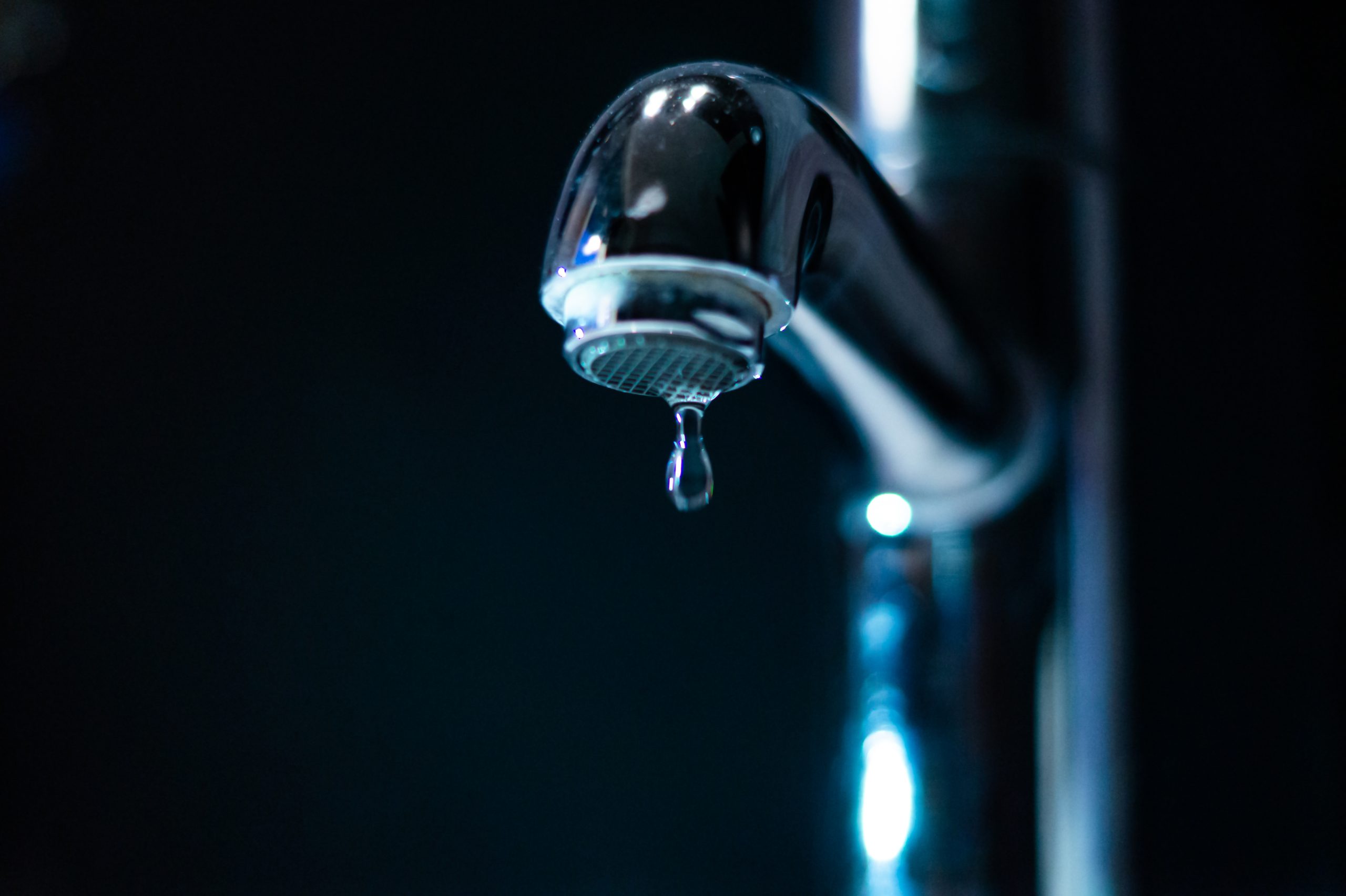
When temperatures drop in Michigan, the risk of frozen pipes rises quickly. Cold air can settle into crawl spaces, basements, and exterior walls, causing pipes to freeze and potentially burst. These winter emergencies often happen without warning, and many homeowners turn to popular tips they have heard online or from friends. Unfortunately, not all of these tips actually work, and some can cause even more damage.
That’s why we’ve put this guide together for you. We’ve got the leading frozen pipe myths and information from the experts to set the record straight. At BROADCO Property Restoration, we help homeowners recover from winter pipe damage every year, so we know which prevention methods are effective and which ones fall short.
Quick Summary
- Dripping faucets can help prevent freezing, but only under the right conditions.
- A stronger, steady trickle works better than a tiny drip.
- Pouring hot water down the drain will not thaw a frozen pipe.
- Waiting for pipes to thaw naturally can cause more damage.
- Insulation, heat, and proper airflow offer real protection from freezing.
Top Frozen Pipe Myths
Myth 1: A Dripping Faucet Always Prevents Frozen Pipes
While a dripping faucet can help, it does not work in every situation. Dripping only helps when water can still move through the pipe. If the pipe is already frozen or located in an unheated, exposed area, the drip will not provide enough movement to prevent ice buildup.
A drip is also less effective if outside temperatures drop extremely low for long periods. In those conditions, unprotected pipes lose heat faster than the water can replace it. A drip is only one tool in your prevention plan. You still need insulation, warm air circulation, and sealed gaps around vulnerable areas.
Myth 2: Any Amount of Drip Works to Prevent Freezing
Another common belief is that a tiny drip is enough to keep pipes from freezing. In reality, the amount of water that moves through the line makes a significant difference. A slow, occasional drip may not relieve pressure or keep water moving fast enough to stop ice formation.
If you choose to use this method, aim for a steady trickle instead of a light drip. This level of flow helps maintain water movement and reduces the chance of ice forming inside the pipe. It also helps relieve pressure within the system if partial freezing begins.
Myth 3: Pouring Hot Water Down the Drain Will Unfreeze Pipes
This does not work because your drain lines and your supply lines are completely separate systems. Water you pour into the drain never reaches the frozen section of your plumbing, so it cannot melt ice inside a supply pipe. This can also lead to a risky situation. Pouring boiling water into cold drain lines may cause damage to older pipes or joints.
Myth 4: Pipes Will Thaw Naturally Without Intervention
Many homeowners assume frozen pipes will thaw on their own once temperatures rise. While pipes can thaw naturally, relying on this approach is risky and often leads to greater damage. As the ice begins to melt, water pressure can spike inside the pipe. If a crack has already formed, the pipe may burst during the thawing process, not during the freeze itself.
You also cannot predict how long for pipes to thaw naturally, especially in cold Michigan homes where temperatures inside walls or crawl spaces remain low. Natural thawing can take hours or even full days, allowing damage to grow unnoticed. Active, controlled thawing is much safer.
What Actually Works to Prevent Frozen Pipes
Preventing frozen pipes requires reliable steps that keep cold air out and maintain steady warmth around your plumbing. These methods offer real protection during Michigan winters:
- Insulate exposed pipes in crawl spaces, basements, attics, and exterior walls.
- Use pipe sleeves or heat tape on vulnerable sections to maintain stable temperatures.
- Seal gaps around doors, windows, and foundation openings to block cold drafts.
- Open cabinet doors under sinks to allow warm indoor air to reach nearby pipes.
- Keep your thermostat at a steady temperature throughout the day and night.
- Use a steady trickle of water from faucets when temperatures drop significantly, especially on exterior walls.
What to Do if Your Pipes Already Froze
If you turn on a faucet and only a small amount of water comes out, you may already have a frozen pipe. Start by opening the faucet fully. This reduces pressure inside the pipe and allows water to escape once thawing begins. Use gentle heat near the frozen area. Warm towels, a portable space heater set at a safe distance, or a hair dryer on low can help thaw the pipe slowly.
Protecting Your Home From Burst Pipes This Winter
Frozen pipes can create sudden and costly damage, but most winter plumbing issues are preventable when you rely on proven methods instead of common myths. When temperatures drop, focus on insulation, warm air circulation, and safe thawing techniques that keep pressure low inside your pipes.
These simple steps help you avoid emergencies and protect your home throughout the coldest weeks of the year. When you act early and understand what truly works, you give yourself a stronger chance of avoiding major water damage.
Winter Pipe Protection and Restoration Support in Michigan
If a frozen pipe has already caused water damage, or if you just need help preventing a future problem, we are here to support you. BROADCO Property Restoration provides fast, reliable help for freezing concerns, burst pipes, and winter water damage. Call us at 877-450-6250 or reach out to get started by scheduling your expert inspection.