

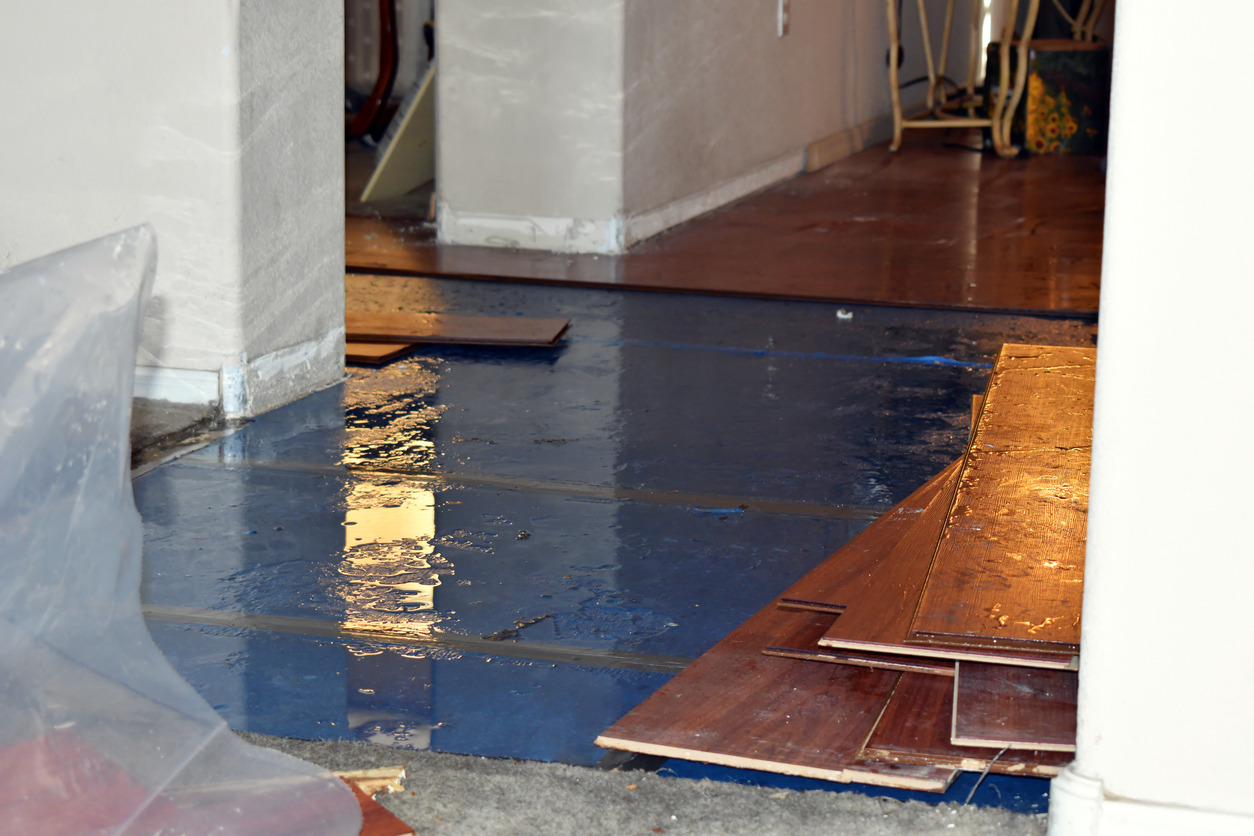
If you’re like many homeowners, you may assume that you’re safe from water damage if you don’t live in a mapped flood zone. However, snowmelt flooding can still cause serious flooding in home basements. When winter snow melts quickly, water can overwhelm drainage systems and seep into foundations, often catching homeowners off guard.
Snowmelt in home basements is more common than you may realize. Rapid temperature swings, frozen ground, clogged drains, and poor grading can send melting snow directly toward your house. In this blog, we’ll explain why snowmelt flooding happens, how it enters homes, and the key warning signs and prevention strategies you need to know.
Quick Summary: Snowmelt Basement Flooding at a Glance
- Snowmelt flooding can happen even in homes located outside designated flood zones.
- Rapid snowmelt combined with frozen ground forces water toward foundations.
- Common causes for snowmelt basement flooding include poor grading, overwhelmed drains, sump pump failures, and foundation seepage.
- Preventive maintenance and proper drainage can significantly reduce the risk of flooding in home basements.
Why Snowmelt Flooding Happens Outside Flood Zones
Maps of flood zones typically focus on large-scale flooding from rivers, lakes, and storm surges. However, snowmelt flooding often comes from localized water buildup around your home, not major waterways. This means your property may be technically safe from regional floods but still vulnerable to water infiltration.
When snow melts quickly as the weather gets warmer, the ground beneath may still be frozen. Frozen soil can’t absorb the water from melted snow effectively, which causes it to travel across the surface instead. If your yard slopes toward your home, or if your drainage system can’t keep up, that water can easily end up inside your home.
Factors that Increase Snowmelt Flood Risk
- Rapid temperature increases are causing fast snowmelt
- Frozen or saturated soil prevents water absorption
- Heavy snow accumulation near the foundation
- Poor yard drainage or grading
- Blocked gutters or downspouts
Key Takeaway for Homeowners: Flood zones measure regional risk, not property-level drainage problems.
Poor Grading: When Your Yard Sends Water Toward Your Home
One of the most common things that homeowners overlook is improper yard grading, which can lead to snowmelt ending up in your basement. Grading refers to how the ground slopes around your house. Ideally, the land around your home should slope away from your foundation, directing water safely toward drainage areas.
Signs Your Yard Grading May Be Causing Flooding
- Water pools near your foundation during thaw periods
- The soil around your house appears lower than the surrounding areas
- Your basement walls feel damp during the spring thaw
- You notice repeated flooding in your home’s basement after snowstorms
Some quick fixes that may help you in the meantime include adding soil to create a gradual slope, extending downspouts away from the foundation, and installing drainage swales or French drains. Remember, even small grading changes can significantly reduce snowmelt flooding risk.
Overwhelmed Drains and Gutters During Spring Thaw
Your drainage system is designed to handle rainwater, but large volumes of melting snow can still overwhelm it.
When your gutters fill with ice, leaves, or debris, melting snow has nowhere to go. Instead of moving safely through downspouts, water spills over the sides and collects around the base of your house.
Over time, this buildup increases pressure against foundation walls and can lead to basement seepage.
Preventative Maintenance Steps
- Clean gutters before winter and in early spring
- Make sure downspouts extend 4-6 feet from the foundation
- Remove snow piles that sit directly against exterior walls
- Check for ice dams that redirect meltwater toward siding and walls
Regular drainage maintenance dramatically lowers the chances that snowmelt will flood your basement.
Foundation Seepage: How Meltwater Enters Your Basement
Even if you live in a well-built home, it can still develop small cracks in its foundation over time. During snowmelt, water accumulating around your house creates what is called hydrostatic pressure against the basement walls.
This pressure can force water through cracks in concrete, mortar joints in block foundations, or gaps around pipes or utility lines, resulting in damp spots or puddles that can quickly escalate into noticeable flooding.
Warning Signs of Foundation Seepage
- White chalky residue on the basement walls
- Damp or musty smells in the basement
- Water stains or discoloration on the basement walls
- Small puddles form during warm winter days
Addressing these signs early is key to preventing larger structural or mold issues later on.
Sump Pump Failures During Snowmelt
Many homes have sump pumps as their last line of defense against basement flooding. But when snowmelt periods become intense, these systems can fail, especially if they’re old or poorly maintained.
Snowmelt flooding often happens over several days as temperatures fluctuate. Continuous water inflow can overwork sump pumps and lead to mechanical failure.
Common Reasons Sump Pumps Fail
- Power outages during storms
- Float switch malfunction
- Clogged discharge lines
- The pump capacity can’t handle the amount of water
Pro Tip: Consider installing a backup power system so your sump pump continues working during power interruptions.
Final Thoughts: Protect Your Basement Before the Spring Thaw
Snowmelt flooding can surprise you if you have only considered the flood zones indicated on official maps. In reality, there are many risk factors to consider that can cause flooding in your basement during a thaw cycle: poor drainage, foundation seepage, overwhelmed gutters, and sump pump failures.
By improving grading around your home, maintaining your drainage system, and addressing foundation issues early, you can significantly reduce the chances of snowmelt getting into your basement and causing costly water damage.
Get Professional Help from BROADCO Property Restoration Before the Next Snowmelt Season
If you live in Southwest Michigan, you’ve been through numerous snowmelts after quick weather changes. Our team can help mitigate damage and restore your home when snowmelt makes it into your basement. It’s best to assess and address the problem before the next thaw.
Contact us today to schedule an inspection and protect your home from future flooding.